
As a maths tutor and teacher, it has become more important for me to understand what my students are thinking when they approach a question than to simply teach the content and have them complete endless worksheets.
Sadly, so many students are conditioned to replicate what their teacher has shown them. They can’t wait to hear whether the answer is correct or incorrect, and in the process, little deeper understanding or transferable skills are developed.
There’s something deeply quiet about the moment a student stops focusing on answering the question and starts engaging with the problem.
With the pressure of a packed curriculum and exams to prepare for, the focus often shifts to covering content as efficiently as possible. We provide the formula; they replicate the method. It becomes a process that prioritises the “correct” answer over the thinking that actually builds understanding.
But lately, I’ve realised that my most important work isn’t teaching the content at all. It’s understanding their thought processes.
So many students are working under the pressure of making progress and achieving predicted grades, and that pressure often becomes the main motivation for learning. Instead of developing problem-solving skills for life, the focus shifts to getting the right answer as quickly as possible.
And that pressure can be paralysing. The fear of not “hitting” the target grade often stops them from achieving it in the first place, because getting the correct answer becomes more important than the journey of working towards a solution.
They finish a question and immediately look up, waiting to hear “correct” or “incorrect”. In that moment, the learning often stops, not because they can’t do it, but because they’ve been trained to value the outcome over the thinking.
When we focus only on the output, we miss the most valuable part of the process: the logic, the patterns, and the transferable skills that sit beneath the surface.
It isn’t about how many worksheets they can complete. It’s about how they navigate the uncertainty of a question they haven’t seen before.
We are building a space where the “how” matters more than the “what”. Because when a student understands how they think, they aren’t just learning maths, they are learning how to approach problems with confidence.
And perhaps that’s the shift: learning to sit in that quiet moment, just before the answer, where the real thinking begins.
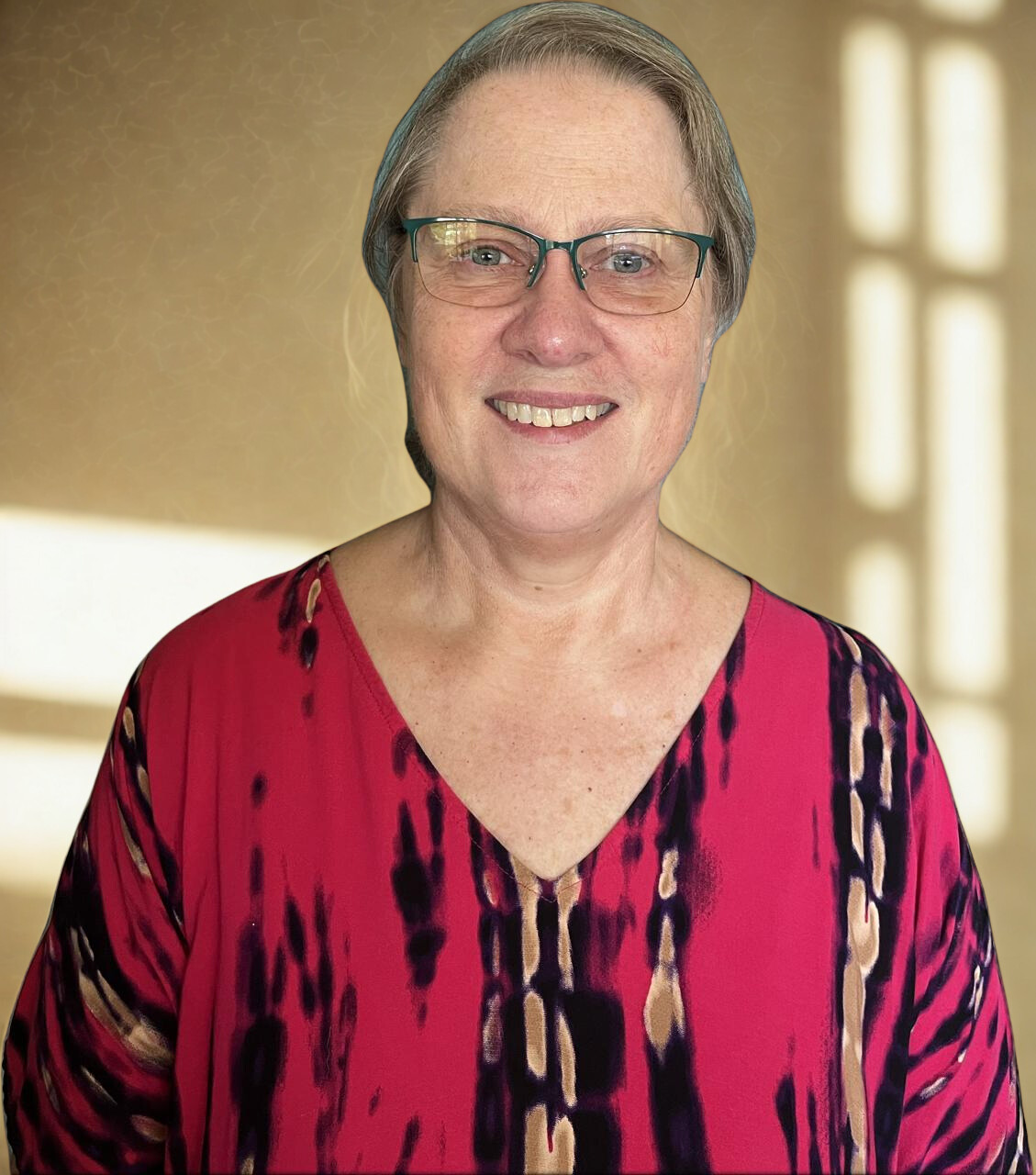
Ilse Roets is the founder of Square Roets Maths and a passionate advocate for lifelong learning. With over two decades of experience in maths education, she has supported hundreds of students in rebuilding confidence and overcoming maths anxiety through personalised, thoughtful teaching. As a dyslexic educator and lifelong learner, Ilse brings empathy, insight, and practical strategies to every child she works with.
Discover more at Square Roets Maths